

Ceiling fans, light fixtures, switches & outlets
Replacing what is already there — fans, fixtures, switches and outlets.
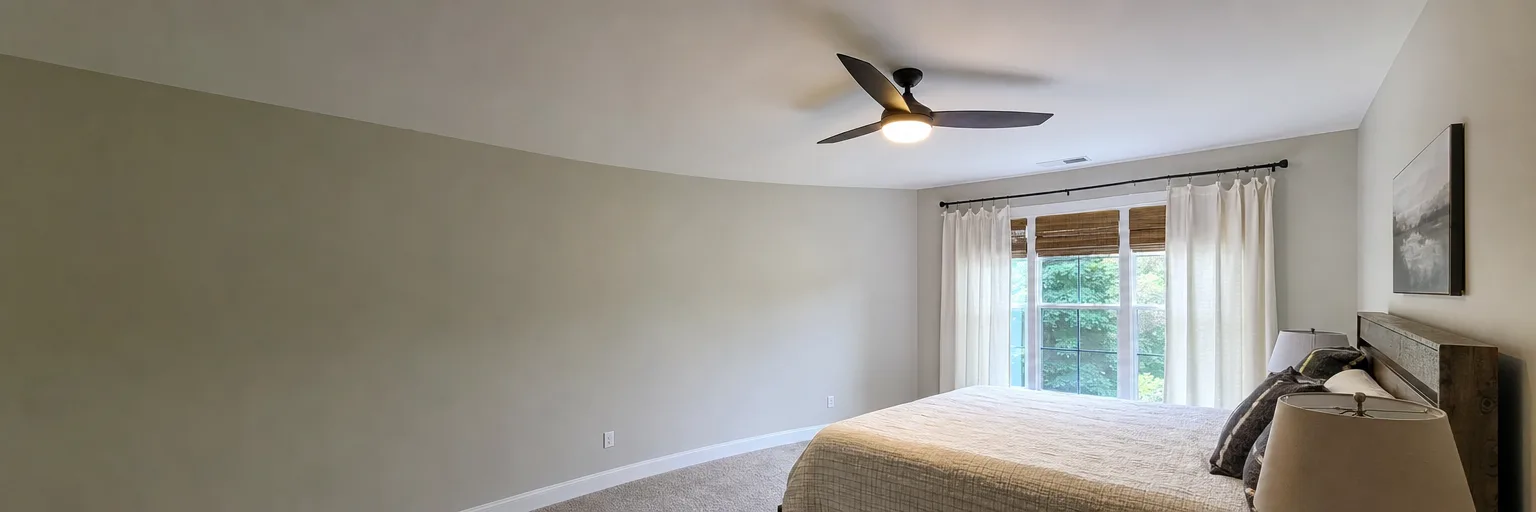
Hanging a ceiling fan where a fixture already exists, swapping a light fixture, or replacing a tired switch or outlet with a new one is straightforward work on an existing circuit.
Ceiling fans need a box rated to carry a moving load — a standard light box is not. That gets checked before the fan goes up, because a fan on the wrong box is a real hazard, not a detail.
Fixtures are replaced like for like on existing circuits. Anything that needs new wiring is a job for an electrician, and you will be told that up front rather than discovering it halfway through.
Sound familiar?
- A new fixture or ceiling fan waiting in its box
- A switch or outlet that is cracked, loose, or discoloured
- A fan that wobbles, hums, or has stopped working
- Dated fixtures you want changed before selling or after moving in
What this covers
Fixture-level work on existing circuits only — replacing fans, fixtures, switches and outlets. No new circuits, no panel or service work, no new wiring runs, and nothing that requires a permit. If a job needs that, you will be told, and pointed to a licensed electrician.
How it works
Call or text what needs fixing. A photo helps — it shows the job, the materials and the access before anyone comes out.
Eugene explains what he can do and what it will cost before the work starts. If anything changes, you hear it first — no surprise charges.
The work gets done properly, the area is protected, and the space is left tidy. If a job needs an electrician or a plumber, you are told rather than worked around.
What affects the cost
Quoted up front. A straight swap and a fan going where no fan has hung are different jobs.
- Whether a fixture already exists in that spot, or it is a first-time install
- Ceiling height and whether the existing box is fan-rated
- Fixture weight and how much assembly it needs
- How many are being done in the same visit
Other things I do
Ready for a free estimate?
Tell us about your project — we'll get back to you by phone or email.